
Few other occupations touch as many people in a single day as school nurses. We, 80,000 of us in the U.S. alone, connect with millions of students (and their families), staff members, and visitors (from toddlers to grandparents) every single school day.

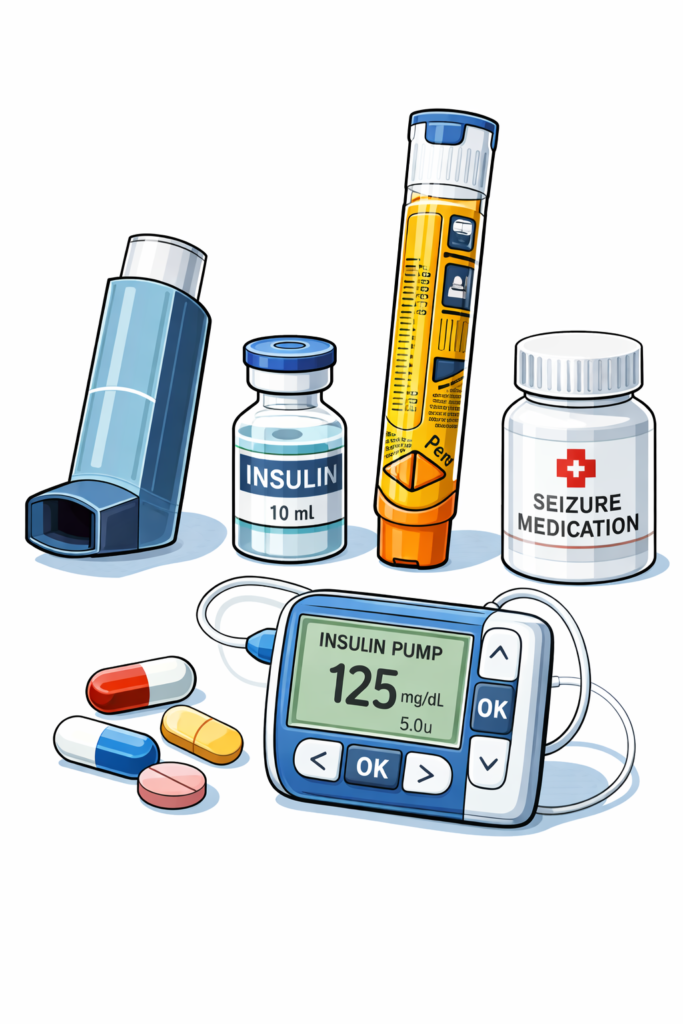
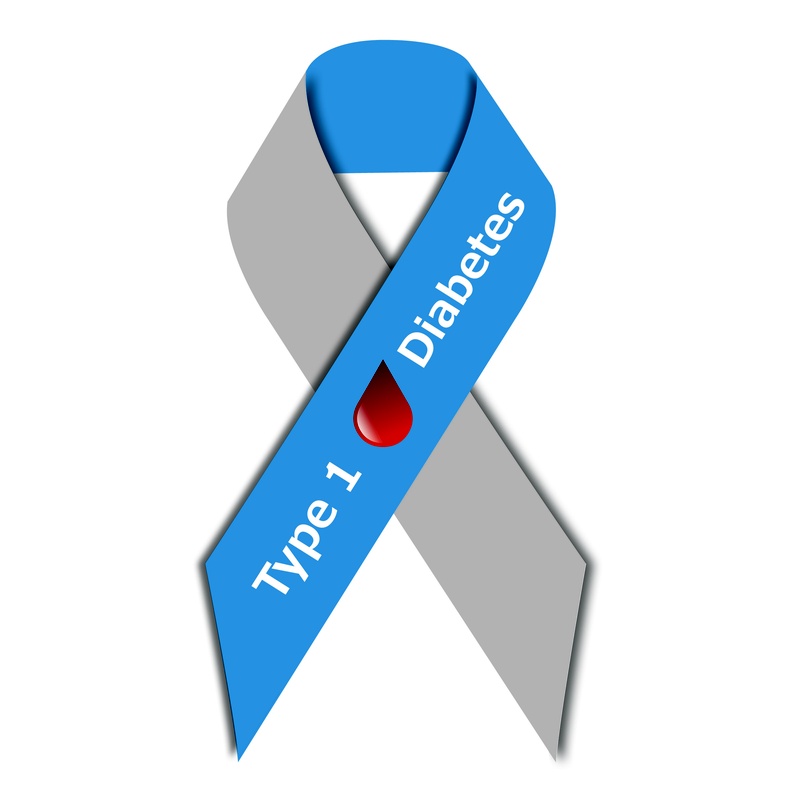
What is insulin-dependent diabetes? How to train your staff.
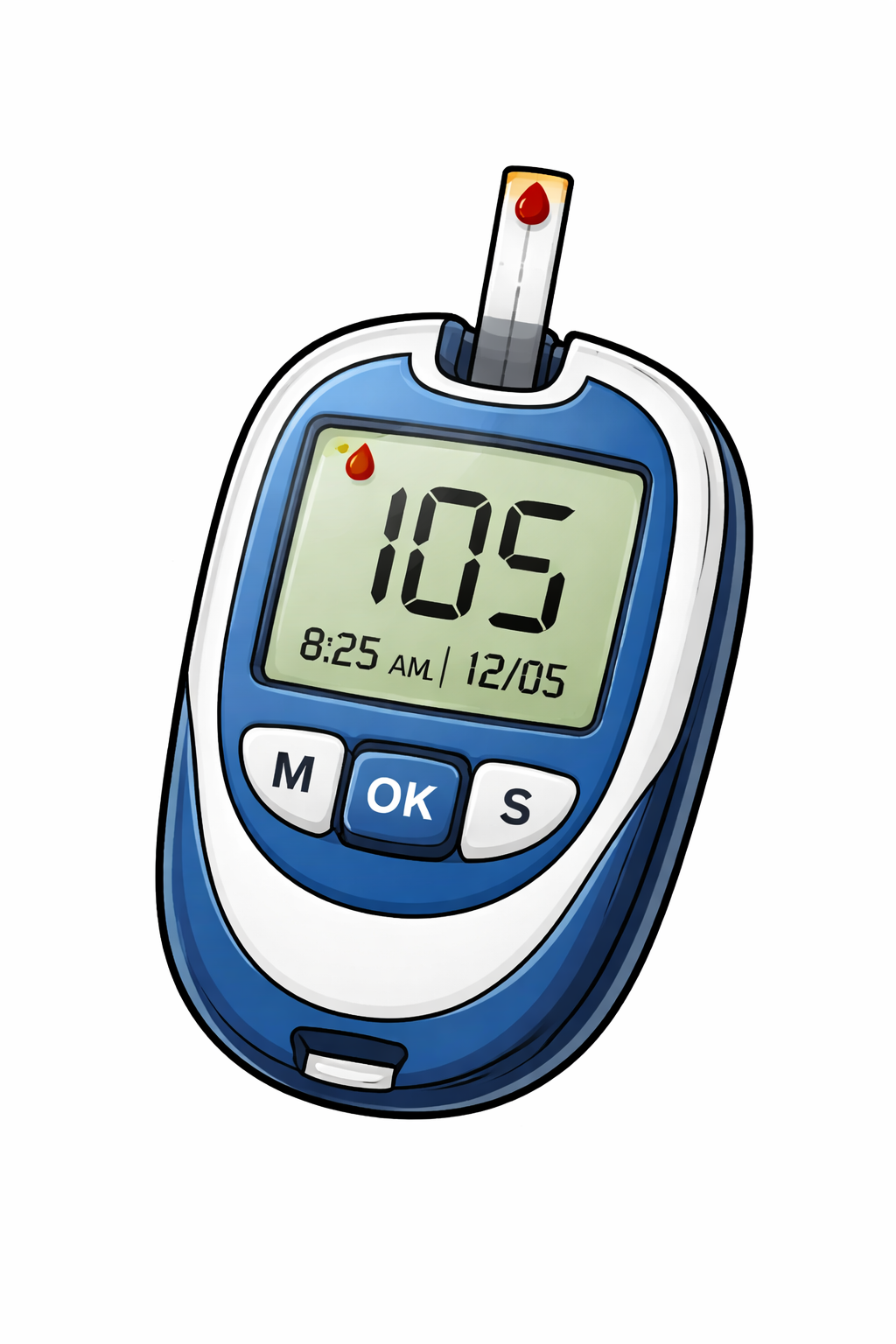
Glucometers to CGMs - how they work
Ketones and sick-day management.
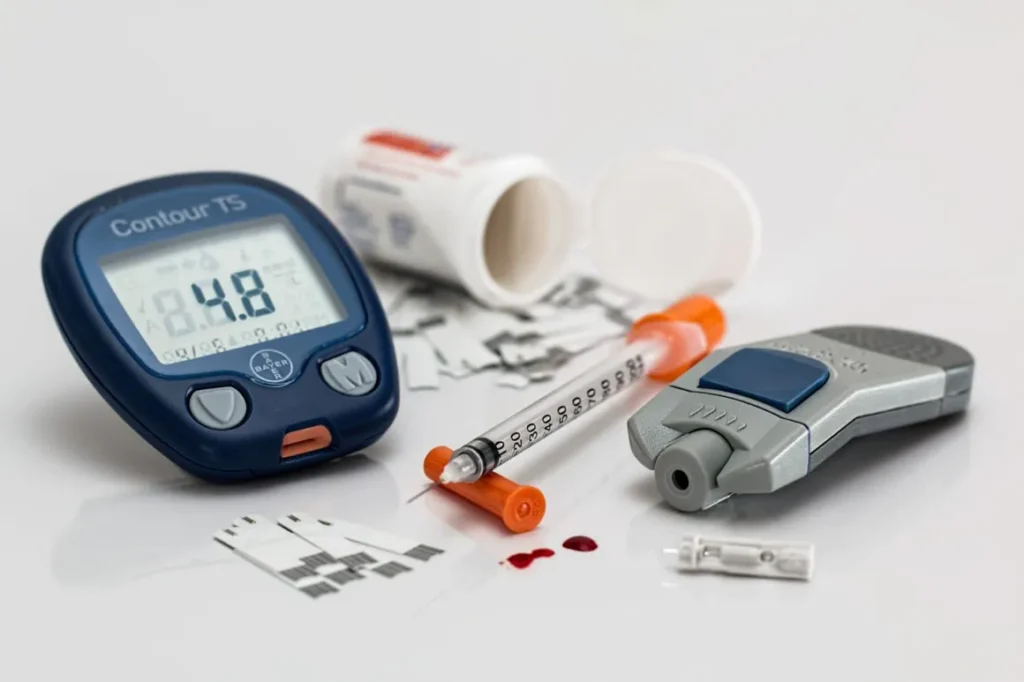

Exercise and Diabetes

Prevention, symptoms, emergency treatment.
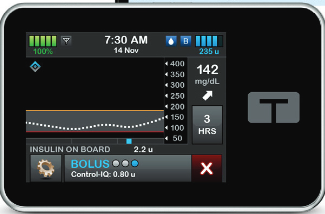
Learn about insulin delivery via syringe and vial, insulin pen, and insulin pump.
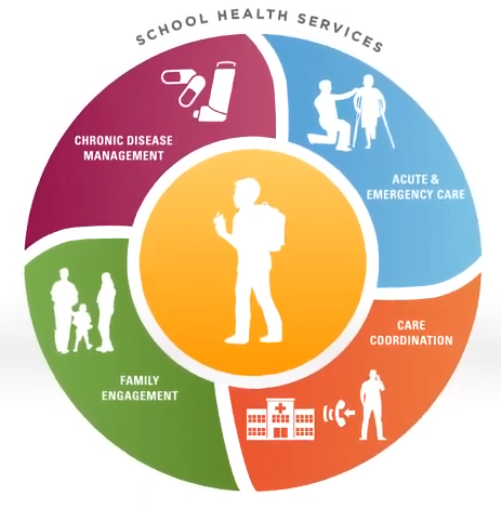
It is estimated that forty percent of students in United States schools may have a chronic health condition. Approximatelyhttps://www.nasn.org/nasn-resources/resources-by-topic/chronic-health-condition-management 6% of those students have multiple chronic conditions leading to challenges with treatment adherence, disease acceptance, lifestyle modification, care coordination, increased exposure to chronic condition risk factors, and difficulties transitioning to adult healthcare settings. Children with chronic conditions are at risk for high absentee rates, low student engagement, dropping out of school, exposure to bullying, disruptive behaviors, poor grades, and below-average performance on standardized achievement tests. (NASN)
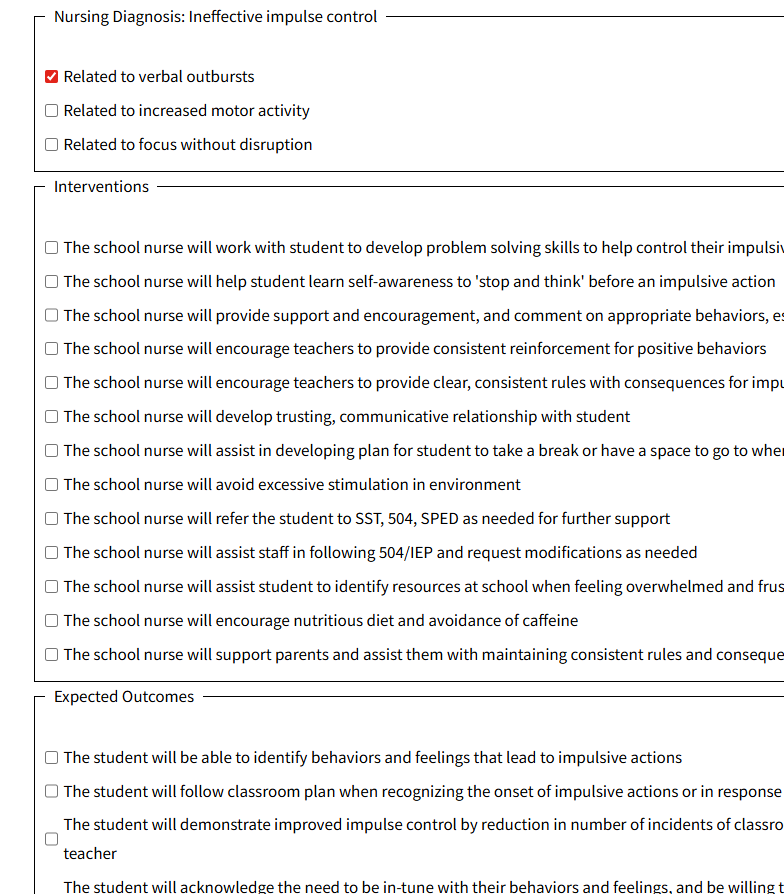
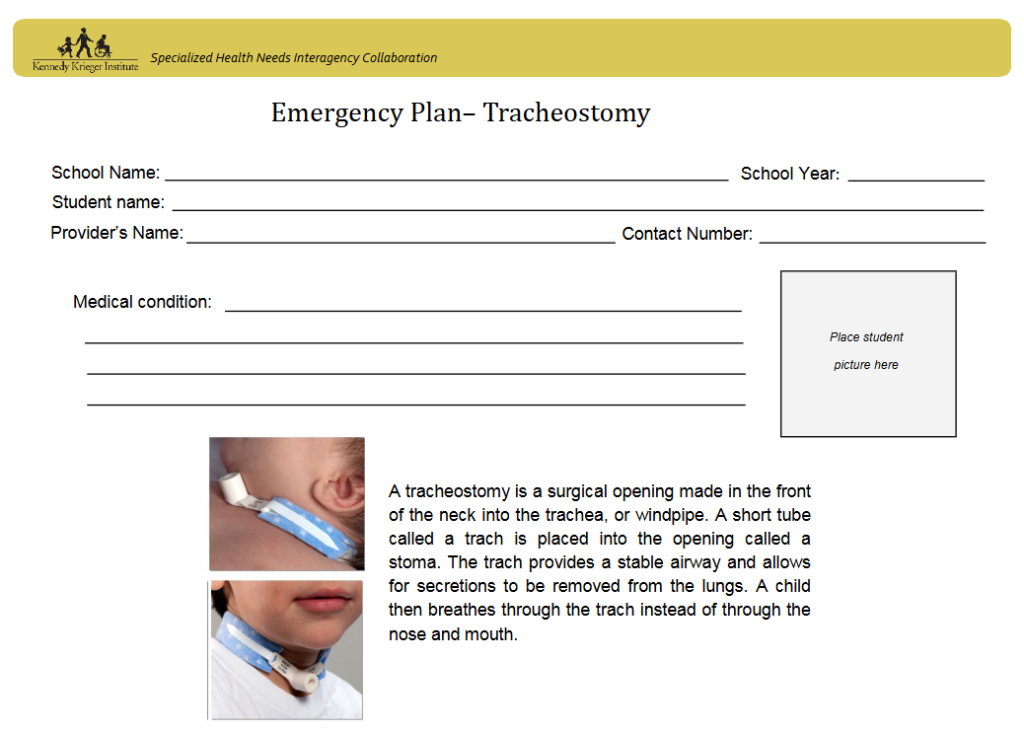
IHPs help to ensure that all necessary information, needs, and plans are considered to maximize the student’s participation and performance in school.
Add medications, procedures, emergency contact information, signature lines, etc.
No information input is, can be, or will be retained by SchoolNursing101.com. For future editing, the IHP must be saved on the user's computer.
Individualize for each student.
… to inspire, to educate, to share.
Knowing CPR can be the difference between life and death in a cardiac emergency. Sadly, less than 10 percent of the time does someone having an out of hospital cardiac arrest receive any help.
Student safety includes ensuring every school adopts a CERP and continually reviews and improves upon the plan.
SCA is the third leading cause of death in the U.S. Approximately 356,000 people of all ages experience EMS-assessed out-of-hospital non-traumatic SCA each year and nine out of 10 victims die. When bystanders intervene immediately by giving CPR, survival rates double or triple.
Project ADAM Affiliate Programs assist schools and communities in establishing cardiac emergency response plans to place into action in the event of a sudden cardiac arrest.
Food allergies are a growing concern for both school health and education officials. Food allergies affect approximately four percent of school-aged children. For reasons that are not completely understood, food allergies among children are increasing. One out of five students with food allergies will have a reaction while at school. Up to 25 percent of students who have a severe and potentially life-threatening reaction at school have no previous known food allergy. (CDC)
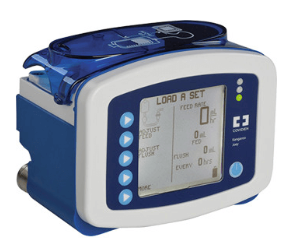
Links to the more common equipment in the school clinic. How to and troubleshoot your equipment.
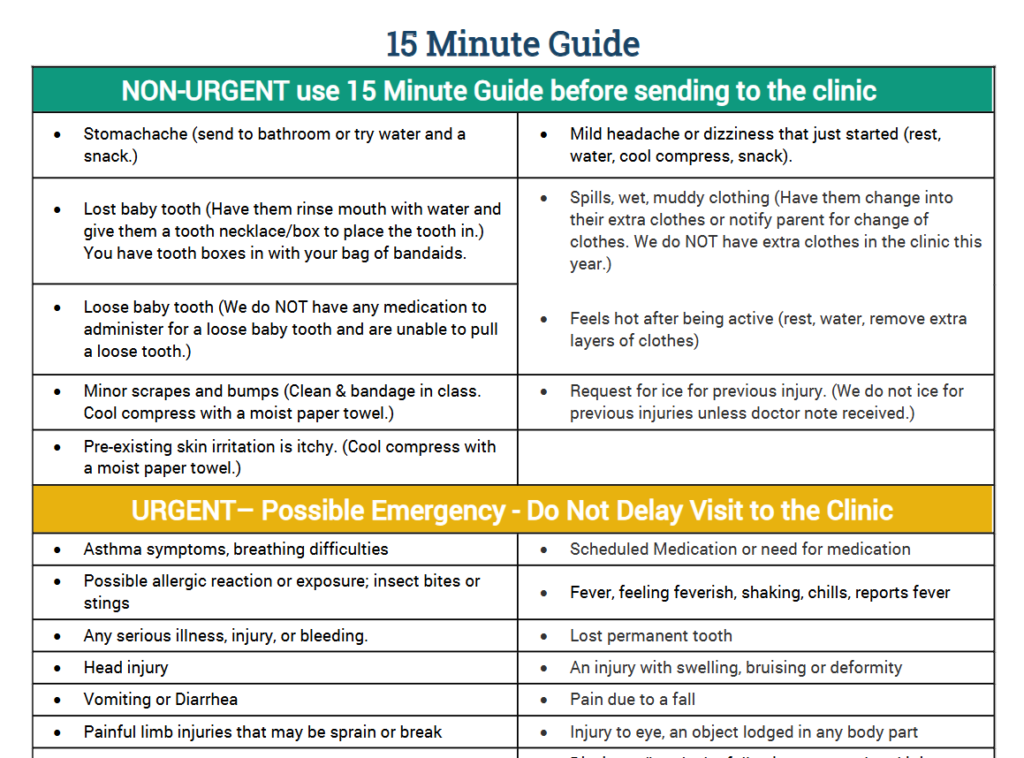
Help educate staff and students about what needs to be seen in the Clinic and when.
Links and videos to increase your confidence level when delivering care to your students.
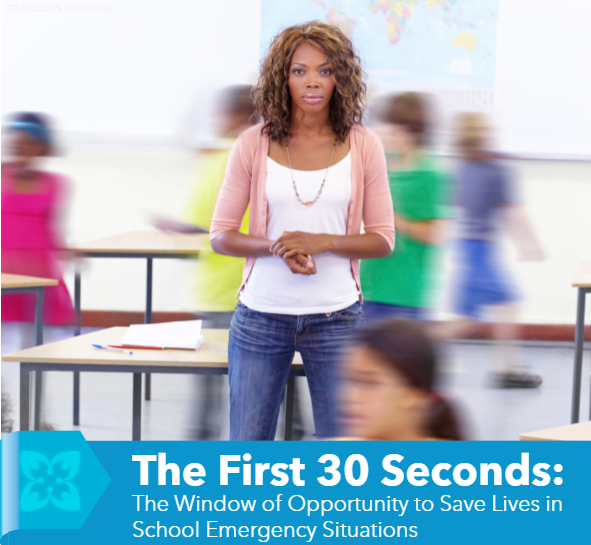
"Knowing how to respond quickly and efficiently in a crisis is critical to ensuring the safety of our schools and students. The midst of a crisis is not the time to start figuring out who ought to do what. At that moment, everyone involved - from top to bottom - should know the drill and know each other." ~ Margaret Spellings
Each state has a department dedicated to school nurses providing services to children in their state. Take a moment to learn what programs most benefit your colleagues across the
U. S.
Plan newsletter articles, bulletin boards, and educational talks based on the month's health awareness observation day.
With busy clinics and most of us working as the only health professionals on our campus, there is little time available to research health conditions and resources to better care for our students or run our clinics. Our primary responsibility is caring for students as they present in our clinics. But, as healthcare professionals, we also need to educate others about health promotion and disease prevention.
SchoolNursing101.com is your ever-growing resource, housing thousands of links, diagrams, and PDFs that assist you in the clinic and can be shared with your students, faculty, and school families. Because we can’t replicate ourselves, access to a resource website comes in a close second! I hope it will serve as a third hand, a time-stretcher, and a companion to better assist school nurses everywhere as they care for their students, students’ families, and coworkers.
My goals for SchoolNursing101.com are ever evolving and often based on recommendations from you, my fellow school nurses. I encourage and welcome all suggestions and recommendations.

Creator/Developer
SchoolNursing101.com is your ever-growing resource, featuring thousands of links, diagrams, PDFs, and IHPs to support you in your clinic.